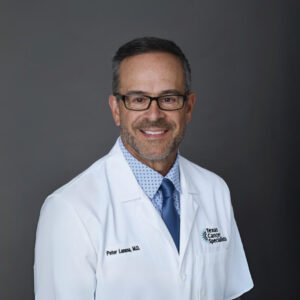
Peter LaNasa, MD
Radiation Oncologist
Known for his patient-first approach and expertise in advanced radiation therapy.
New Welcome to our newly launched website. Same two centers, same physicians, and everything easier to find.

Low-Dose Radiation Therapy
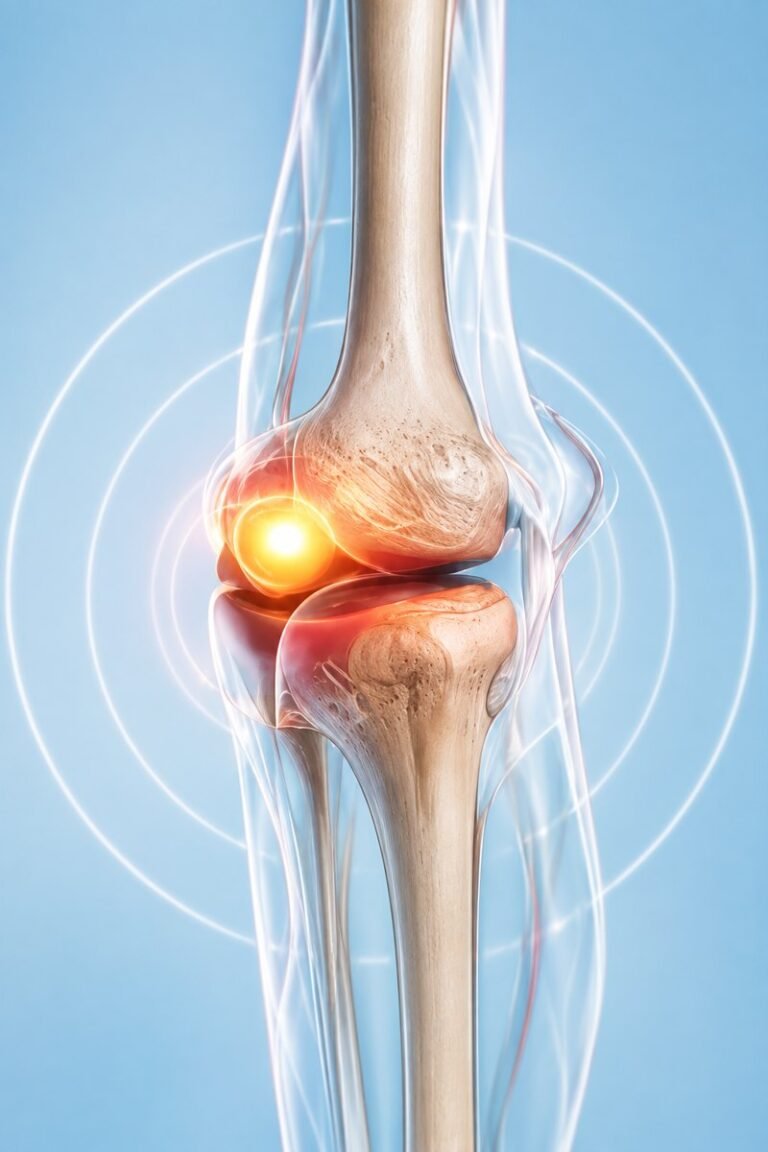
For mild to moderate osteoarthritis, LDRT is a non-surgical option that targets the inflammation inside the joint rather than the joint itself. Six short sessions. No anesthesia, no downtime.
Most insurance accepted and Medicare is welcome. See how referrals, insurance and cost work.
Why people consider it
No incisions, no injections, no anesthetic. You lie on a table and a machine does the work.
About ten minutes per session, twice a week for three weeks. Most people fit it around their day.
The dose is mapped to the painful joint so the tissue around it is left alone.
The aim is lasting pain relief so you can keep moving, and put off surgery for longer.
In plain words
Most people hear "radiation" and think of cancer treatment. LDRT uses a far lower dose, aimed at the joint that hurts, with one job: to calm the inflammation that is driving your pain.
Osteoarthritis is not only wear and tear. Inflammation inside the joint plays a large part in the stiffness and the pain, and that is exactly what this treatment is meant to settle.
How it works
Dr. LaNasa in Arlington or Dr. Barker in Fort Worth goes through your history, your scans and what you have already tried, and tells you honestly whether LDRT is worth doing.
The joint is mapped precisely so the dose goes where it is needed and the tissue around it is protected.
Twice a week for three weeks. Each visit takes about ten minutes. No anesthetic, and you drive yourself home.
We check how the pain and the movement are doing. Many people report improvement that lasts and lets them stay active for longer.

The point is the walk, not the treatment.
Nobody comes to us wanting radiation. They come wanting to get back to the things a bad knee has been quietly taking away.
Who it is for
LDRT is not a first treatment to try, and it does not undo osteoarthritis. If your arthritis is more advanced you may still need to see a surgeon. Dr. LaNasa or Dr. Barker will tell you straight whether this is a sensible fit for you. What happens at a first appointment is the same here as for our cancer patients.
The evidence
Patients with knee osteoarthritis were more likely to report meaningful improvements in pain and function compared to placebo.
Our doctors
Radiation Oncologist
Known for his patient-first approach and expertise in advanced radiation therapy.

Radiation Oncologist
Focused on precision treatment planning and compassionate, whole-person care.
Questions
This is the question we hear most. People are still active but held back by daily joint pain, medication and injections are not doing enough, and surgery feels like a big step. In the right patient, LDRT is a reasonable thing to try in between.
Radiation is best known as a cancer treatment, but at much lower doses it can reduce inflammation. LDRT gives a low, targeted dose to the affected joint to calm that inflammation, not to damage tissue.
Simple. Six sessions over three weeks, twice a week. Each visit takes about ten minutes. There is no anesthetic and no downtime, and people carry on with their normal day afterwards.
Osteoarthritis is not only wear and tear. Inflammation inside the joint is a large part of the pain and stiffness, and that is what the dose is aimed at. The same approach can be used for hands, feet, shoulders and hips as well as knees.
It does not undo osteoarthritis, and we will not tell you otherwise. In the right patient it can reduce pain and improve movement, which fills a real gap for people who want to stay active and delay a joint replacement.
Most people notice very little. The dose used here is a small fraction of a cancer treatment dose, and it is aimed at one joint, so the usual experience is nothing much at all, occasionally some short-lived skin redness or a temporary increase in ache before it settles. The honest caveat is that any radiation carries a very small long-term risk, which is why this is offered for joints rather than casually, and why it is weighed against your age and your alternatives at your consultation rather than assumed to be free.
Coverage varies between insurers, and LDRT for osteoarthritis is not covered by every plan. Ask us when you call and we will go through what your plan says before you commit to anything.
Patient stories
Dr. Lanasa put me at ease immediately and was zeroed on me at each weekly visit during my eight weeks of therapy. His bedside manner is that of a caring and concerned doctor. Staff, like Dr. Lanasa is second to none.
Above Excellent. This man spent literally 2 hours, explaining to me my treatment plan. He is an extremely optimistic inspiring and informative physician. Extremely compassionate. We need more Doctors like him. Thank you so much.
I am so happy I picked Dr. Barker as my husband's doctor. When we learned my husband oral cancer we were shocked and lost about how to start treatment. Dr. Barker was the first doctor we saw and he led us to my husband's surgeon and oncologist. Dr. Barker explained everything to us and answered all our questions. He is the most wonderful doctor. When a family has to go through cancer it make so much easier when you have a doctor like Dr. Barker. He really cares about his patients and their family.
Prostate Treatment by Radiation Therapy completed at the USMD Prostate Cancer Center in Arlington. Dr. Lanasa is exceptional and his staff is very professional. Technicians are friendly and call patients by name and also get you in and out quickly as they know their business.
The best Professional staff and technition help I have ever been involved with in my 66 years. They save my life.
I picked this guy off the internet for no other reason than he had attended college in my home town and of course was a radiation oncologist which is what I needed. The thing I liked best was his honest and direct answers to all my many questions.He was optimistic and the outcome of the radiation was just as he said it would be. What a lucky choice for me.
01 / 06
Online requests are secure and confidential.
This page is for information and is not medical advice. LDRT is not right for every patient. Please talk to a qualified physician about your own condition.